Vintage French Art & Wall Décor
Decorative hanging plates, framed needlework, antique engravings, portraits, and gilded frames sourced across the Dordogne — sustainable art with history for gallery walls and collected homes.
View Art on EtsyCurrent art stock
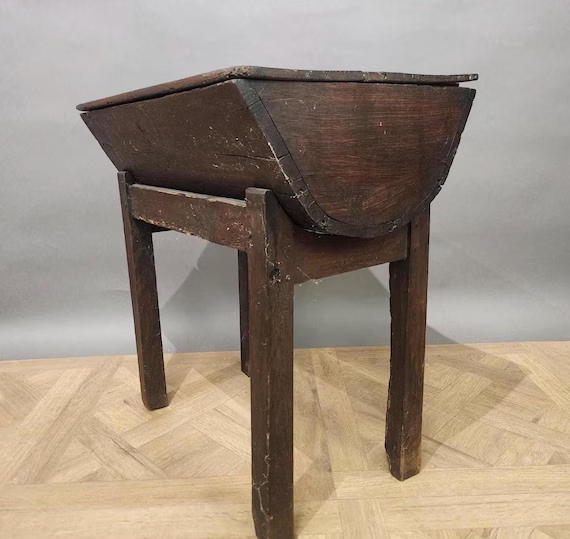
Antique French Dough Trough Pétrin Farmhouse Table Rustic Oak Kneading Bin Primitive Storage
250.00 EUR
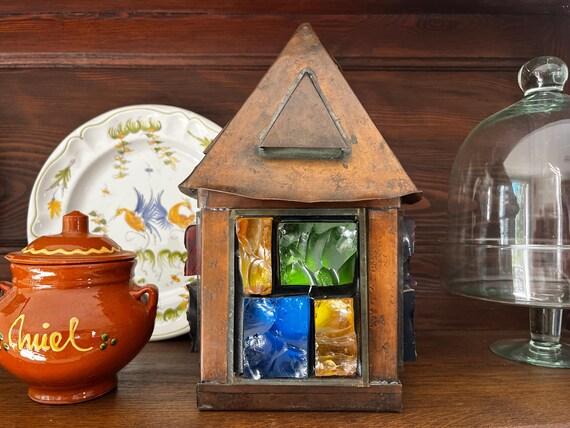
Peter Marsh Brutalist Dalle De Verre Lantern Lamp Chunk Glass Copper Pyramid Mid Century Lighting
250.00 EUR
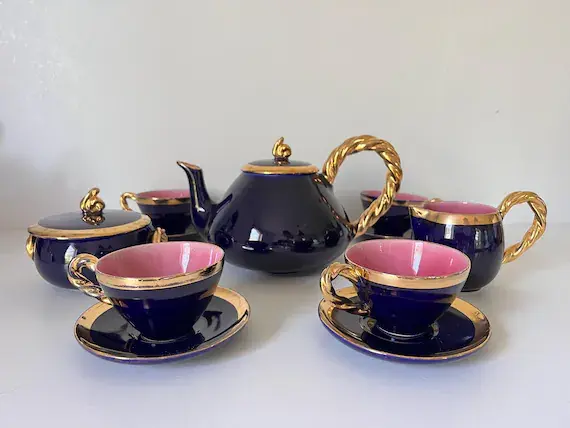
Rare Vallauris Tea Set Monica Ceram French Riviera Pink Blue Gold Mid Century Ceramic Tea Set
89.99 EUR
Print quality first
I look for crisp engraved lines, balanced inking, and margins that still feel generous enough for framing. Soft plate marks, hand-coloring, and clean paper tone are always a bonus.
Character, not damage
Gentle foxing, age spots, and mellowed paper can be beautiful. Tears, brittle folds, or heavy staining are different, so I note them clearly and only list pieces that still display well.
Easy to style
Botanical studies, portraits, and architectural engravings work especially well in pairs or loose salon walls. I keep proportions in mind so buyers can mix several pieces without guesswork.
These French artworks span the 18th to 20th centuries: detailed engravings, botanical studies, portraits, and decorative prints discovered in Dordogne estate sales and trusted brocante dealers. Each piece is chosen for character, authenticity, and the story it brings to a room.
Sustainability matters here — giving existing art a second life is gentler on the planet and lets you enjoy original craftsmanship without new production. I provide close-up photos and honest notes on patina or foxing so you can buy with confidence from abroad.
Frames are selected for quality; many are vintage themselves, with that classic French gilded edge. Every order is carefully packed flat or in reinforced boxes for international shipping, and checkout stays on Etsy for buyer protection and easy tracking.
Clients often ask whether antique French art belongs only in traditional interiors. Not at all. Old paper, quiet botanical prints, and slightly ornate frames can warm minimalist rooms beautifully, especially when paired with plaster walls, oak furniture, or simple brass lighting.
If you are building a grouped installation, I can help with practical details such as image size, outside frame size, and whether several listings will hang best as a vertical stack or a wider row. That extra context helps remote buyers make better framing decisions before anything leaves France.
For room-by-room ideas on hanging and pairing these pieces, see the European vintage décor guides, which cover botanical gallery walls and moody library corners in more detail.
Know what you are buying
The four kinds of wall art I bring back
French walls were never covered in prints alone. A brocante table holds plates meant for hanging, needlework in its original frame, gilded mirrors, and paper — and each one is judged differently.
Hanging plates
Turn one over first. Hand-painted decoration varies in thickness and strays over the line; a printed transfer shows a fine dot screen under a loupe and tiny gaps where the pattern was joined. Both can be beautiful, but only one is painted by a person, and the listing says which.
Framed needlework
Wool on canvas, occasionally with silk highlights. The colour on the reverse tells you what the front has lost to sunlight, and even tension across the stretcher tells you it was framed by someone who cared.
Frames and mirrors
Gilded gesso over wood, with the corner joints as the first thing to check. On old mirrors, the soft grey clouding where the silvering has gone is the part most buyers actually want — and no one can put it back, so it is never sold as a fault.
Paper: engravings and prints
A copperplate engraving is pressed into damp paper, so a faint indented rectangle sits outside the image and the ink stands slightly proud. Under magnification a modern reproduction gives itself away with a regular grid of dots, where original work shows continuous line and cross-hatching.
What I check before it is listed
- Plates: a fingertip right around the rim for chips, then held up to a window, where a hairline catches the light long before it catches the eye.
- Hanging hardware: a sprung wire hanger left under tension for forty years can craze a glaze, so I look underneath it and photograph whatever is there.
- Textiles: moth, damp, and slackness in the canvas. A musty frame does not go in a box, however good the needlework is.
- Paper: foxing, the rust-coloured freckling of age, against damp tide lines, which are darker and edged and far less forgiving.
- Frames: corner joints, rebate depth, whether the glazing is glass or acrylic, and whether the backing board is acidic enough to be worth replacing.
- Measurements given twice — the image and the outside of the frame — because those are the two numbers you need from four thousand miles away.
Marks and signatures
What the back tells you
Porcelain and faience carry factory marks under the foot — a name, a town, sometimes a pattern number that dates the piece more precisely than the picture on the front ever will. On paper, a signature printed as part of the image was engraved into the plate, while one added in pencil beside it was put there by hand, and that is much rarer.
Where a mark cannot be attributed with confidence, the listing says unattributed. I would rather undersell a piece than invent a story for it.
What wall art costs at the brocante
Single decorative plates sit in crates for a euro or two, and that is genuinely where the good ones start. What costs is the grouping: three plates that actually hang together — related palette, sympathetic scale, no clashing gilt — might take a season of markets to assemble, and they are worth more together than three times one plate.
Framed work follows a different rule. An old gilded frame in sound condition often carries more of the price than the picture inside it, which is why dealers so often sell the frame and discard the art. When I buy a framed piece, I am usually buying two things and paying attention to both.
Packing
How wall art travels
Plates are wrapped individually with card between the faces, cushioned into a snug inner box, and double-boxed. Framed pieces have the glass taped, the corners blocked, and fill on every side. Unframed paper ships flat between rigid board with a moisture barrier — never rolled, which is what cracks old ink.
See hanging and pairing ideas