Category Landing
French Farmhouse Tableware for Everyday Gatherings
Stoneware terrines, pitchers, gratin dishes, and serving bowls with authentic patina. Curated in rural France and packed for international kitchens.
Materials
Stoneware & faience
Durable glazes for daily use; gentle crazing is normal and adds character. Avoid thermal shock from freezer-to-oven moves.
Shapes
Terrines, jugs, serveware
Goose and rabbit terrines, wide gratin dishes, cider pitchers, and handled soup bowls — built for convivial tables.
Styling
Mix rustic + refined
Pair neutral stoneware with linen runners and vintage glassware. Add one colorful mustard or green pitcher for contrast.
Care and sizing quick hits
- Hand-wash terrines and glazed earthenware; avoid abrasive pads on painted lids.
- Check interior for hairlines with a bright light — I list any found and price accordingly.
- Serving sizes: 28–32 cm gratins suit 4–6 people; 1–1.5 L pitchers are great for water or sangria.
- Display: open shelving loves varied heights; stack shallow dishes, stand a jug, and lean a platter at the back.
Need a matched set?
Tell me your palette and seating capacity. I can assemble coordinated serveware — terrine, platter, jug, and bowls — and share photos before purchase. Once on Etsy, tap “Contact shop owner” to send your request.
Shop French farmhouse tableware
Fresh finds from Dordogne markets and Alsatian workshops, updated as they list on Etsy.

Rare Vallauris Tea Set Monica Ceram French Riviera Pink Blue Gold Mid Century Ceramic Tea Set
89.99 EUR

Vintage CHANEL Press Kit 1996-1997 Cruise Collection Fashion Photo Archive Lapidus Lanvin Scherrer Guy Laroche Expert Authenticated Paris Co
220.00 EUR
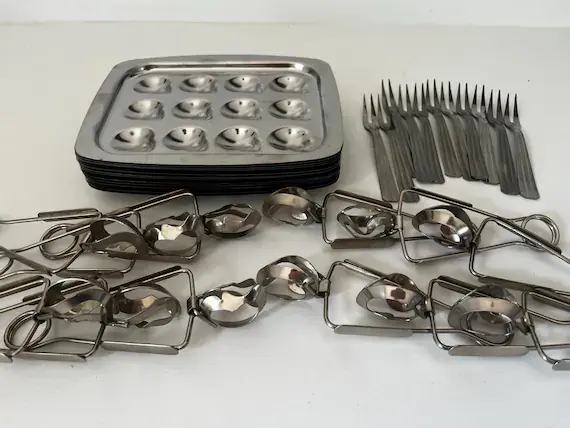
Vintage French Escargot Set for 12 | Stainless Steel Snail Plate, Tongs & Forks | Outdoor Entertaining Dinner Party Set
75.00 EUR
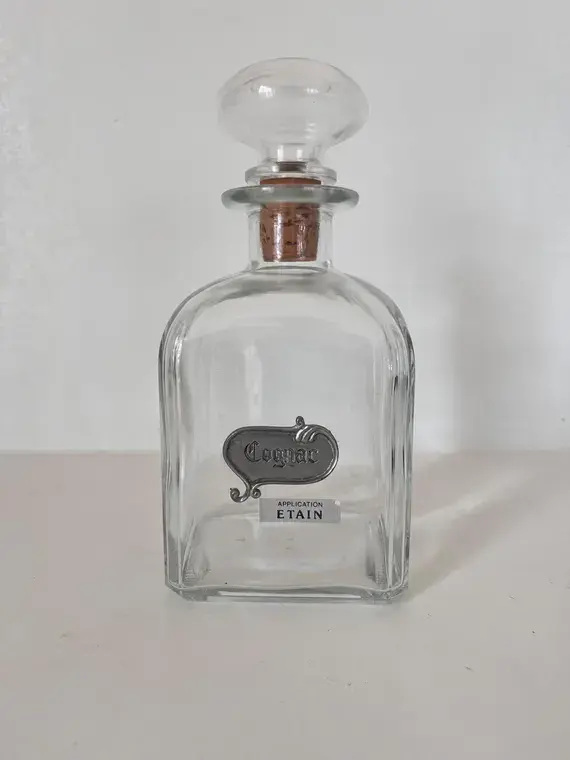
Vintage French Cognac Decanter with Pewter Label | Glass Bottle with Stopper | Barware Collectible Table Décor
49.99 EUR
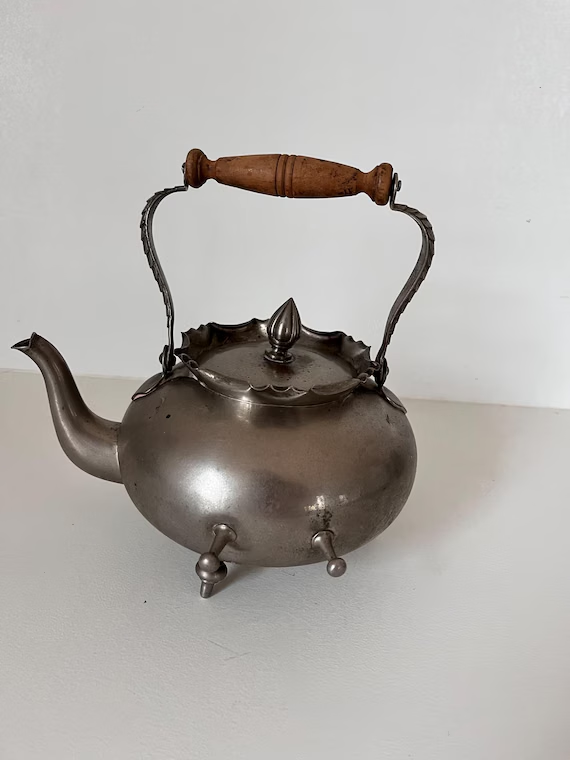
Antique Pewter Teapot with Wooden Handle Unusual Footed Design European Tea Pot Vintage Table Decor
29.99 EUR
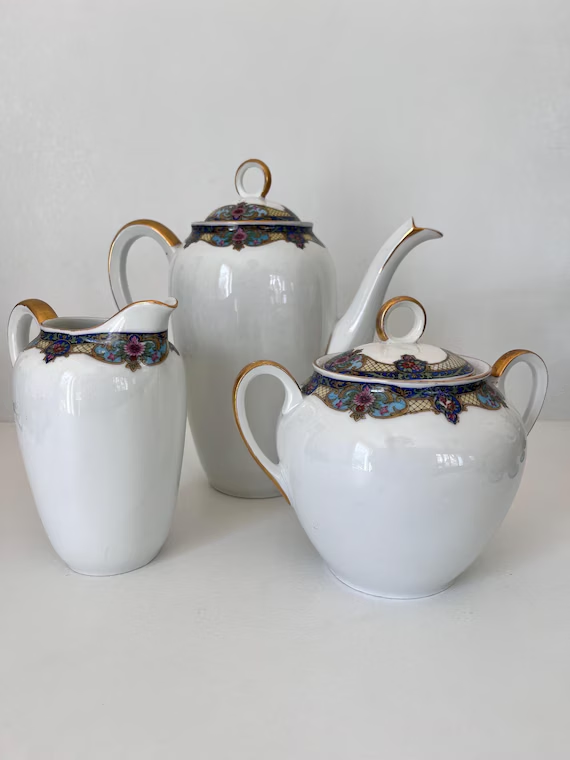
Vintage Union T Czechoslovakia Enamel Tea Set: Shabby Chic Decor
29.99 EUR
Maker marks
Turning the piece over
The first thing I do at a stall is lift the piece and look at its base. French pottery marks are generous compared with most — impressed into the clay, or printed under the glaze, and often naming the town the piece came from.
The names that recur
Sarreguemines and Digoin, Gien, Longchamp, Saint-Amand, Creil et Montereau, Salins, Badonviller, and K&G Lunéville. These are the workshops that supplied ordinary French kitchens for a century, which is exactly why their pieces are still turning up in them.
The words on the mark
Faïence fine is refined earthenware, terre de fer is the French answer to ironstone, and grès is stoneware — heavier, denser, and the one that shrugs off daily use. Modèle déposé simply means the shape was registered.
When there is no mark
Most rural pottery was never marked at all. Then it is the foot ring, the way the glaze pools and thins over the shoulder, and the little stilt scars from the kiln that tell you the piece was thrown for use rather than for a shop window.
Confit pots
A genuine one is glazed inside and over the shoulder but left bare below, because the lower half was meant to sit buried in the cool of a cellar floor. That bare band is the detail to look for, and it is the reason they look the way they do.
What I check before it is listed
- The ring: balanced on my fingertips and tapped with a knuckle, sound stoneware answers with a clear note. A flat buzz means a hairline somewhere, even when nothing shows.
- Lid fit, tested by seating the lid and turning it. Chips hide under the lip, where a lid has ground against its rim at every meal for fifty years.
- Crazing against cracks. Crazing is a web in the glaze alone and it is normal, even lovely; a crack runs through the body and shows as a dark line on the inside.
- Interior staining. Decades of fat in a terrine leave a shadow — some of it lifts with patience, some of it is simply part of the piece now, and I say which.
- The foot ring, run over with a fingertip and eased if it is rough, because unglazed clay will happily scratch a waxed table.
- Oven safety, which I only claim when I am genuinely confident. Old glazes do not forgive a hot oven after a cold fridge.
Pricing
What it costs at the brocante
Chipped everyday faïence sells for a few euros a piece and always will. Marked stoneware in good order, mustard and deep-green glazes, and large serving forms are dealer-priced and have been climbing for years as French farmhouse kitchens come back into fashion.
The lid decides everything. A terrine without its lid is worth a fraction of one that still has it, and lids are what got broken first — so a complete piece costs more than it looks like it should, and that is the part worth paying for.
Packing
How heavy pieces travel
Lids are wrapped separately and then cushioned back against their base so nothing can rock. Handles, spouts, and rims get their own padding, and the whole piece is double-boxed with fill on every side. Heavy orders are split across parcels rather than trusting one seam, and tracking comes through Etsy.
FAQ
Oven safe?
Most stoneware gratins and some terrines are oven-friendly; I state it in the listing when confirmed. Avoid sudden temperature swings.
Cracks or crazing?
Light crazing is common and decorative; structural cracks are called out and priced as display pieces unless otherwise noted.
Shipping weight
Heavy pieces are double-boxed and sometimes split into multiple parcels to protect lids and handles. Tracking is provided through Etsy.
Mixing styles?
Mix neutral terrines with one patterned faience platter or a green glaze jug for contrast. Vintage glassware keeps the setting light.